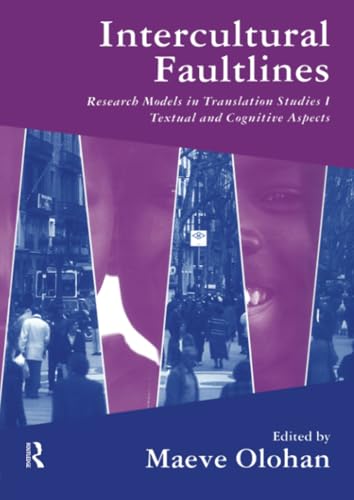
Amazon cover image
Image from Amazon.com

Intercultural Faultlines Research Models in Translation Studies: v. 1: Textual and Cognitive Aspects

By: Language: English Publication details: Oxford Routledge 20001201Edition: 1Description: 280 pISBN:
  • 9781900650441
Summary: Intercultural Faultlines offers an exploration of research models and methods in translation studies, as implemented, discussed and critically evaluated by some of the leading researchers in the field of translation and interpreting. While the focus throughout is on textual and cognitive aspects of translation and interpreting, the objects of study and consequently the methodological considerations are wide-ranging. The volume contains chapters focusing on research conducted in areas as diverse as corpus-based translation studies, dialogue interpreting, simultaneous interpreting, acquisition of translation competence, cognitive processes in translation, translation into the L2, creativity in translation and translation quality assessment. Some research models and methods are applied to translation for the first time, while others are more established and can be assessed in terms of their reliability and the generalizability of the results they yield. Issues of research design and methodology are addressed, and interesting questions are raised which are likely to become the focus of attention in future research, for example with regard to causal models of translation, translational ethics, collaborative research and issues of power in interpreting research.
Item type:
Tags from this library: No tags from this library for this title. Log in to add tags.
Star ratings
    Average rating: 0.0 (0 votes)
No physical items for this record

Intercultural Faultlines offers an exploration of research models and methods in translation studies, as implemented, discussed and critically evaluated by some of the leading researchers in the field of translation and interpreting. While the focus throughout is on textual and cognitive aspects of translation and interpreting, the objects of study and consequently the methodological considerations are wide-ranging. The volume contains chapters focusing on research conducted in areas as diverse as corpus-based translation studies, dialogue interpreting, simultaneous interpreting, acquisition of translation competence, cognitive processes in translation, translation into the L2, creativity in translation and translation quality assessment. Some research models and methods are applied to translation for the first time, while others are more established and can be assessed in terms of their reliability and the generalizability of the results they yield. Issues of research design and methodology are addressed, and interesting questions are raised which are likely to become the focus of attention in future research, for example with regard to causal models of translation, translational ethics, collaborative research and issues of power in interpreting research.

There are no comments on this title.

to post a comment.