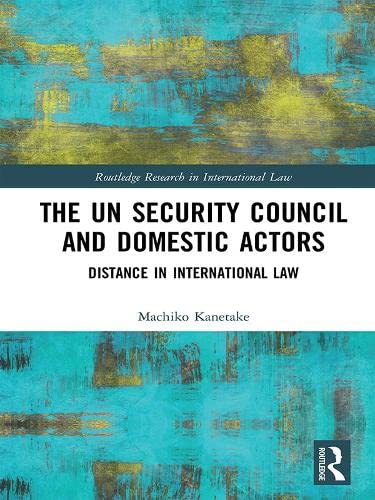
Amazon cover image
Image from Amazon.com

UN Security Council and Domestic Actors Distance in international law

By: Language: English Publication details: Oxford Routledge 20171201Edition: 1Description: 260 pISBN:
  • 9781317511304
Summary: This book analyses the exercise of authority by the UN Security Council and its subsidiary organs over individuals. The UN Security Council was created in 1945 as an outcome of World War II under the predominant assumption that it exercises its authority against states. Under this assumption, the UN Security Council and those individuals were ‘distanced’ by the presence of member states that intermediate between the Security Council’s international commands and those individuals that are subject to member states’ domestic law. However, in practice, the UN Security Council’s exercise of authority has incrementally removed the presence of state intermediaries and reduced the Security Council’s distance to individuals. This book demonstrates that this phenomenon has increased the relevance of domestic law in developing the international normative frameworks governing the UN Security Council and its subsidiary organs in safeguarding the rights, obligations, and interests of those affected individuals. This book presents how the UN Security Council’s exercise of authority has been received at the domestic level, and what would be the international implications of the Security Council’s extensive encounter with the actors who primarily reside in a domestic legal order.
Item type:
Tags from this library: No tags from this library for this title. Log in to add tags.
Star ratings
    Average rating: 0.0 (0 votes)
No physical items for this record

This book analyses the exercise of authority by the UN Security Council and its subsidiary organs over individuals. The UN Security Council was created in 1945 as an outcome of World War II under the predominant assumption that it exercises its authority against states. Under this assumption, the UN Security Council and those individuals were ‘distanced’ by the presence of member states that intermediate between the Security Council’s international commands and those individuals that are subject to member states’ domestic law. However, in practice, the UN Security Council’s exercise of authority has incrementally removed the presence of state intermediaries and reduced the Security Council’s distance to individuals. This book demonstrates that this phenomenon has increased the relevance of domestic law in developing the international normative frameworks governing the UN Security Council and its subsidiary organs in safeguarding the rights, obligations, and interests of those affected individuals. This book presents how the UN Security Council’s exercise of authority has been received at the domestic level, and what would be the international implications of the Security Council’s extensive encounter with the actors who primarily reside in a domestic legal order.

There are no comments on this title.

to post a comment.