testing all
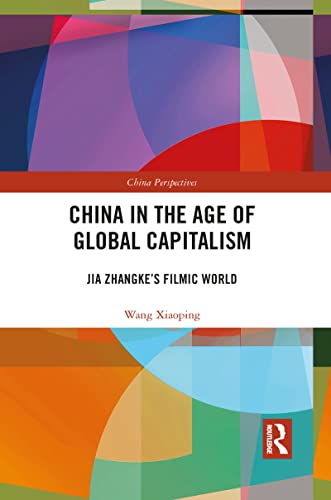
Amazon cover image
Image from Amazon.com

China in the Age of Global Capitalism Jia Zhangke's Filmic World

By: Language: English Publication details: Oxford Routledge 20210630Edition: 1Description: 220 pISBN:
  • 9781032087016
Summary: Jia Zhangke is praised as “the most internationally prominent and celebrated figure of the Six-Generation of Chinese filmmakers”. This book provides an examination the content and forms of Jia’s featured films and analyzes their merits and faults. Jia’s films often narrate the lives of ordinary Chinese people against the backdrop of the political-economic changes. The author conducts an in-depth analysis of how this change have ferociously impinged upon the characters’ living conditions since China integrated itself with the world economy in the high tide of accelerated globalization since the 1970s. The author focuses on discussing the “politics of dignity” expressed by Jia’s allegorical renditions to explore the director’s political unconsciousness and cultural-political notions. This book maps ten of Jia Zhangke’s films onto three major themes: Jia’s filmmaking and China in the market society; truth claims and political unconscious; “post-socialist modernity” in the age of globalization. This book will be of interest to students and scholars of Chinese film studies, as well as other disciplines, such as political science, sociology, anthropology, etc.
Item type:
Tags from this library: No tags from this library for this title. Log in to add tags.
Star ratings
    Average rating: 0.0 (0 votes)
No physical items for this record

Jia Zhangke is praised as “the most internationally prominent and celebrated figure of the Six-Generation of Chinese filmmakers”. This book provides an examination the content and forms of Jia’s featured films and analyzes their merits and faults. Jia’s films often narrate the lives of ordinary Chinese people against the backdrop of the political-economic changes. The author conducts an in-depth analysis of how this change have ferociously impinged upon the characters’ living conditions since China integrated itself with the world economy in the high tide of accelerated globalization since the 1970s. The author focuses on discussing the “politics of dignity” expressed by Jia’s allegorical renditions to explore the director’s political unconsciousness and cultural-political notions. This book maps ten of Jia Zhangke’s films onto three major themes: Jia’s filmmaking and China in the market society; truth claims and political unconscious; “post-socialist modernity” in the age of globalization. This book will be of interest to students and scholars of Chinese film studies, as well as other disciplines, such as political science, sociology, anthropology, etc.

There are no comments on this title.

to post a comment.