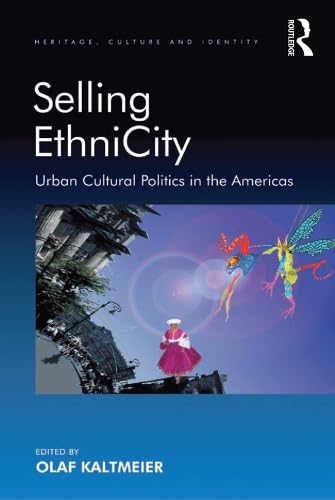
Amazon cover image
Image from Amazon.com

Selling EthniCity Urban Cultural Politics in the Americas

By: Language: English Publication details: Oxford Routledge 20160401Edition: 1Description: 306 pISBN:
  • 9781317057390
Summary: Bringing together a multidisciplinary team of scholars, this book explores the importance of ethnicity and cultural economy in the post-Fordist city in the Americas. It argues that cultural, political and economic elites make use of cultural and ethnic elements in city planning and architecture in order to construct a unique image of a particular city and demonstrates how the use of ethnicized cultural production - such as urban branding based on local identities - by the economic elite raises issues of considerable concern in terms of local identities, as it deploys a practical logic of capital exchange that can overcome forms of cultural resistance and strengthen the hegemonic colonization of everyday life. At the same time, it shows how ethnic communities are able to use ethnic labelling of cultural production, ethnic economy or ethno-tourism facilities in order to change living conditions and to empower its members in ways previously impossible. Of wide ranging interest across academic disciplines, this book will be a useful contribution to Inter-American studies.
Item type:
Tags from this library: No tags from this library for this title. Log in to add tags.
Star ratings
    Average rating: 0.0 (0 votes)
No physical items for this record

Bringing together a multidisciplinary team of scholars, this book explores the importance of ethnicity and cultural economy in the post-Fordist city in the Americas. It argues that cultural, political and economic elites make use of cultural and ethnic elements in city planning and architecture in order to construct a unique image of a particular city and demonstrates how the use of ethnicized cultural production - such as urban branding based on local identities - by the economic elite raises issues of considerable concern in terms of local identities, as it deploys a practical logic of capital exchange that can overcome forms of cultural resistance and strengthen the hegemonic colonization of everyday life. At the same time, it shows how ethnic communities are able to use ethnic labelling of cultural production, ethnic economy or ethno-tourism facilities in order to change living conditions and to empower its members in ways previously impossible. Of wide ranging interest across academic disciplines, this book will be a useful contribution to Inter-American studies.

There are no comments on this title.

to post a comment.