testing all
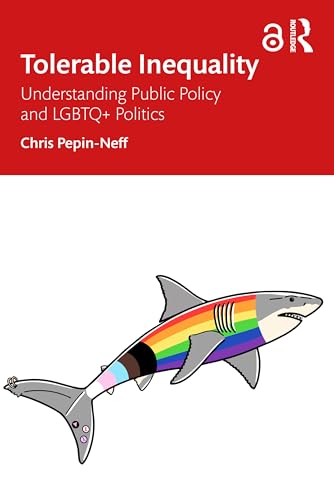
Amazon cover image
Image from Amazon.com

Tolerable Inequality Understanding Public Policy and LGBTQ+ Politics

By: Language: English Publication details: Oxford Routledge 20250107Edition: 1Description: 216 pISBN:
  • 9781032786568
Summary: Pepin-Neff coins the term ‘Tolerable Inequality’ to examine the ways in which politicians and political actors use the policy process as a tool to make inequality acceptable as a way of keeping power and avoiding penalties. Power is built on the illusion of differences. The public policy process is used to reinforce the illusions of inferiority and superiority that help to keep power in the hands of the powerful. Tolerable Inequality reinforces these differences by diverting attention away from issues that would give marginalized people power, reducing differences between public expectations and reality, and policy reactions that fortify existing social status. The three tactics of Tolerable Inequality include: focused inattention and inaction, deviation harmonization of differences between expectations and perceived reality, and equality governance, where equality is distributed in the policy process relative to conditional compliance and comparative identity. The book explores this concept within the context of LGBTQ+ policy and presents a framework that allows the public to engage in the policy process in ways that highlight the role of expected political penalties in order to reclaim policymaking in the public interest. A comprehensive text for researchers and students in LGBTQ studies, American Studies, Policy Studies, and Legislative Studies. The Open Access version of this book, available at http://www.taylorfrancis.com, has been made available under a Creative Commons Attribution-Non Commercial-No Derivatives (CC-BY-NC-ND) 4.0 license.
Item type:
Tags from this library: No tags from this library for this title. Log in to add tags.
Star ratings
    Average rating: 0.0 (0 votes)
No physical items for this record

Pepin-Neff coins the term ‘Tolerable Inequality’ to examine the ways in which politicians and political actors use the policy process as a tool to make inequality acceptable as a way of keeping power and avoiding penalties. Power is built on the illusion of differences. The public policy process is used to reinforce the illusions of inferiority and superiority that help to keep power in the hands of the powerful. Tolerable Inequality reinforces these differences by diverting attention away from issues that would give marginalized people power, reducing differences between public expectations and reality, and policy reactions that fortify existing social status. The three tactics of Tolerable Inequality include: focused inattention and inaction, deviation harmonization of differences between expectations and perceived reality, and equality governance, where equality is distributed in the policy process relative to conditional compliance and comparative identity. The book explores this concept within the context of LGBTQ+ policy and presents a framework that allows the public to engage in the policy process in ways that highlight the role of expected political penalties in order to reclaim policymaking in the public interest. A comprehensive text for researchers and students in LGBTQ studies, American Studies, Policy Studies, and Legislative Studies. The Open Access version of this book, available at http://www.taylorfrancis.com, has been made available under a Creative Commons Attribution-Non Commercial-No Derivatives (CC-BY-NC-ND) 4.0 license.

There are no comments on this title.

to post a comment.