testing all
Amazon cover image
Image from Amazon.com

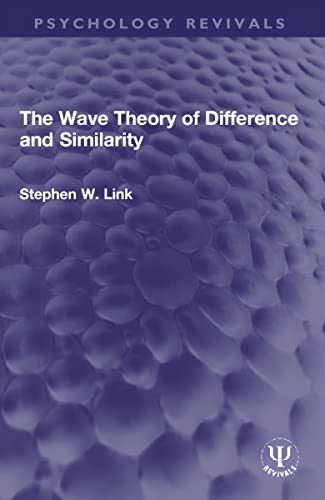
Wave Theory of Difference and Similarity

By: Language: English Publication details: Oxford Routledge 20210930Edition: 1Description: 390 pISBN:
  • 9780367150525
Summary: Two experimental procedures prompted the empirical development of psychophysical models: those that measure response frequency, often referred to as response probability; and those that measure response time, sometimes referred to as reaction time. The history of psychophysics is filled with theories that predict one or the other of these two responses. Yet the persistent reappearance of empirical relationships between these two measures of performance makes clear the need for a theory that both predicts and relates these two measures. Most likely, both response measures are the result of a single process that generates empirical laws relating response time and response probability. It is this process — its theory, description, and application — that is the topic of The Wave Theory of Difference and Similarity . Originally published in 1992, the author of this book has set out to provide a theoretical foundation for formulating new theories that systematize earlier results and to stimulate new concepts and introduce new tools for exploring mental phenomena and improving mental measurement.
Item type:
Tags from this library: No tags from this library for this title. Log in to add tags.
Star ratings
    Average rating: 0.0 (0 votes)
No physical items for this record

Two experimental procedures prompted the empirical development of psychophysical models: those that measure response frequency, often referred to as response probability; and those that measure response time, sometimes referred to as reaction time. The history of psychophysics is filled with theories that predict one or the other of these two responses. Yet the persistent reappearance of empirical relationships between these two measures of performance makes clear the need for a theory that both predicts and relates these two measures. Most likely, both response measures are the result of a single process that generates empirical laws relating response time and response probability. It is this process — its theory, description, and application — that is the topic of The Wave Theory of Difference and Similarity . Originally published in 1992, the author of this book has set out to provide a theoretical foundation for formulating new theories that systematize earlier results and to stimulate new concepts and introduce new tools for exploring mental phenomena and improving mental measurement.

There are no comments on this title.

to post a comment.