testing all
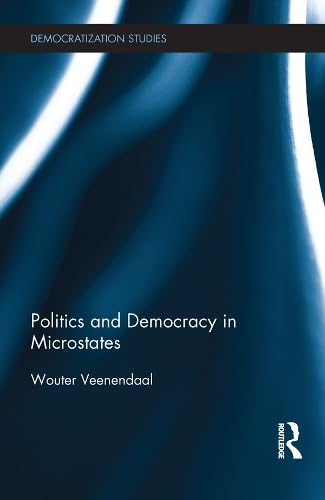
Amazon cover image
Image from Amazon.com

Politics and Democracy in Microstates

By: Language: English Publication details: Oxford Routledge 20141017Edition: 1Description: 242 pISBN:
  • 9781317646570
Summary: Why are small states statistically more likely to have a democratic political system? By addressing this question from a qualitative and comparative methodological angle, this book analyses the effects of a small population size on political competition and participation. By comparing the four microstates of San Marino (Europe), St. Kitts and Nevis (Caribbean), Seychelles (Africa), and Palau (Oceania), it provides fresh and stimulating insight, concluding that the political dynamics of microstates are not as democratic as commonly believed. Instead, it is found in all four cases that smallness results in personalistic politics, dominance of the political executive, patron-client relations between citizens and politicians, and the circumvention of formal political institutions. In addition, the book suggests that the study of formal institutions provides an incomplete image of microstate democracy and that informal characteristics of politics in microstates also need to be explored in order to better explain the influence of smallness on democracy. This book will be of key interest to scholars and students of democracy, democratization, regional and decentralization studies and comparative politics.
Item type:
Tags from this library: No tags from this library for this title. Log in to add tags.
Star ratings
    Average rating: 0.0 (0 votes)
No physical items for this record

Why are small states statistically more likely to have a democratic political system? By addressing this question from a qualitative and comparative methodological angle, this book analyses the effects of a small population size on political competition and participation. By comparing the four microstates of San Marino (Europe), St. Kitts and Nevis (Caribbean), Seychelles (Africa), and Palau (Oceania), it provides fresh and stimulating insight, concluding that the political dynamics of microstates are not as democratic as commonly believed. Instead, it is found in all four cases that smallness results in personalistic politics, dominance of the political executive, patron-client relations between citizens and politicians, and the circumvention of formal political institutions. In addition, the book suggests that the study of formal institutions provides an incomplete image of microstate democracy and that informal characteristics of politics in microstates also need to be explored in order to better explain the influence of smallness on democracy. This book will be of key interest to scholars and students of democracy, democratization, regional and decentralization studies and comparative politics.

There are no comments on this title.

to post a comment.