testing all
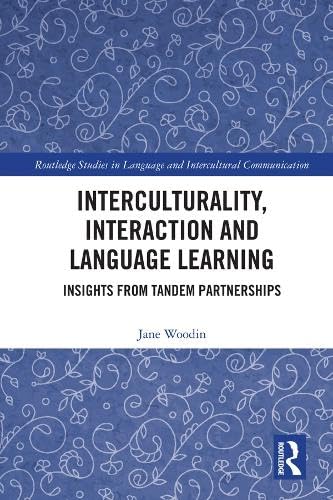
Amazon cover image
Image from Amazon.com

Interculturality, Interaction and Language Learning Insights from Tandem Partnerships

By: Language: English Publication details: Oxford Routledge 20180523Edition: 1Description: 190 pISBN:
  • 9781317277262
Summary: This book opens up new lines of debate in language learning and intercultural communication through an investigation of tandem language learning (a method of language learning based on mutual language exchange between native speakers and learners of each other’s language) in connection with intercultural learning and identity construction. Through an empirical study of face-to-face tandem conversations, Jane Woodin provides compelling evidence for the re-definition of the tandem partnership beyond the traditional native speaker–non-native speaker (NS-NNS) paradigm. By analyzing conversation shapes, learner identification of self and other and interactants’ own focus on culture, this book reveals how interactants themselves address the complexities of language, learning, ownership and meaning. The book also questions the prevalence of models of intercultural competence which describe the competence of the individual, with little recognition of the role of the relationship or interaction. Woodin considers the broader applicability of the tandem framework of autonomy and reciprocity, and suggests new directions for further research on tandem learning.
Item type:
Tags from this library: No tags from this library for this title. Log in to add tags.
Star ratings
    Average rating: 0.0 (0 votes)
No physical items for this record

This book opens up new lines of debate in language learning and intercultural communication through an investigation of tandem language learning (a method of language learning based on mutual language exchange between native speakers and learners of each other’s language) in connection with intercultural learning and identity construction. Through an empirical study of face-to-face tandem conversations, Jane Woodin provides compelling evidence for the re-definition of the tandem partnership beyond the traditional native speaker–non-native speaker (NS-NNS) paradigm. By analyzing conversation shapes, learner identification of self and other and interactants’ own focus on culture, this book reveals how interactants themselves address the complexities of language, learning, ownership and meaning. The book also questions the prevalence of models of intercultural competence which describe the competence of the individual, with little recognition of the role of the relationship or interaction. Woodin considers the broader applicability of the tandem framework of autonomy and reciprocity, and suggests new directions for further research on tandem learning.

There are no comments on this title.

to post a comment.